
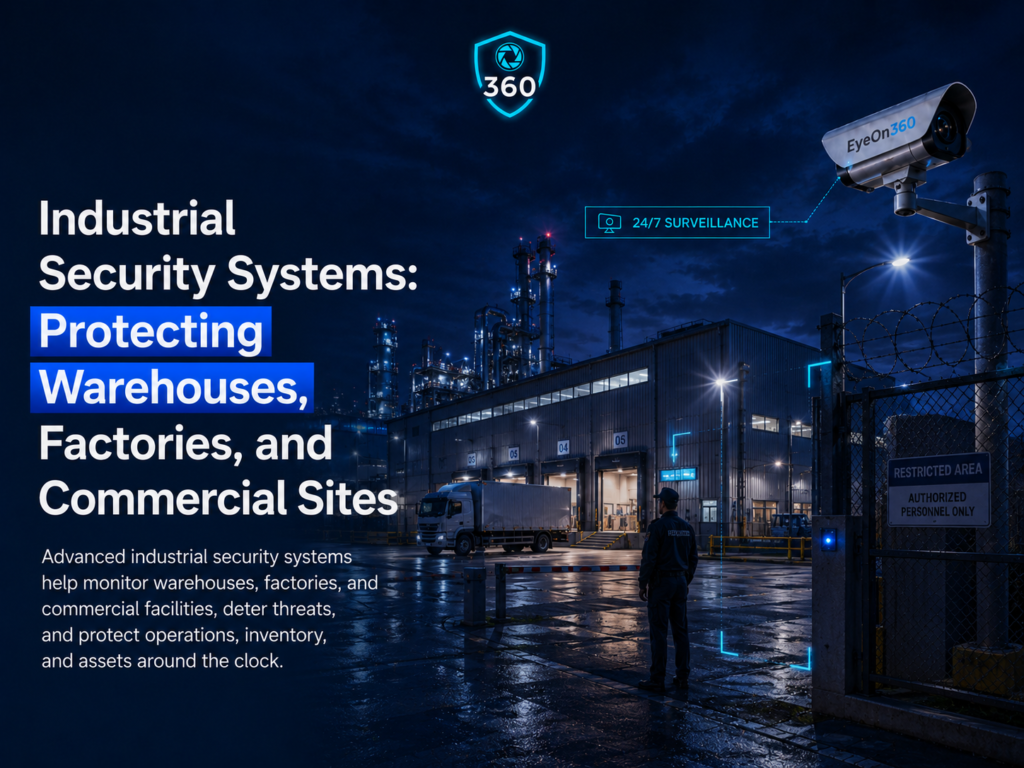
Warehouses, factories, commercial buildings, and storage sites are important business assets. They hold machinery, inventory, raw materials, vehicles, tools, data, and sometimes hazardous equipment. Because of this, industrial properties need stronger protection than ordinary buildings. A basic lock, a guard, or a single camera is no longer enough for modern risk levels.
Industrial security systems are designed to protect large spaces, busy entry points, storage zones, and sensitive operational areas. These systems combine different tools such as CCTV, electric fencing, alarms, sensors, access control, and remote monitoring to create a stronger security network.
Table of Contents
Why Industrial Sites Need Stronger Security
Industrial properties usually cover larger areas than homes or small offices. They may have multiple gates, loading areas, parking spaces, warehouses, production floors, and outdoor storage zones. With so many access points, there is a higher chance of theft, unauthorized entry, staff movement issues, and after-hours activity.
A strong security plan helps protect not only physical assets but also business continuity. If equipment is stolen, stock is damaged, or a warehouse is entered without permission, operations can suffer. This can lead to financial loss, delayed deliveries, insurance problems, and customer dissatisfaction.
Common Risks for Warehouses and Factories
- Theft of inventory, tools, machinery, or raw materials
- Unauthorized entry through gates or boundary walls
- Blind spots in large storage areas
- After-hours movement without proper record
- Vandalism, damage, or tampering with equipment
- Poor control over visitor and contractor access
- Weak monitoring of loading and unloading areas
These risks show why Anti-theft security systems are essential for industrial and commercial locations. The goal is not only to record incidents after they happen, but also to prevent them before they cause damage.
Important Parts of an Industrial Security Setup
A complete industrial security plan should be built according to the site layout. A factory may need different security coverage than a warehouse, and a warehouse may need different protection than a commercial office building.
- CCTV cameras for entrances, exits, storage areas, and production zones
- Electric fencing for strong boundary protection
- Motion sensors for sensitive or low-traffic areas
- Access control for staff, visitors, and restricted rooms
- Security alarms and hooters for quick alerts
- Remote monitoring for owners and managers who are off-site
- Maintenance checks to keep the system reliable
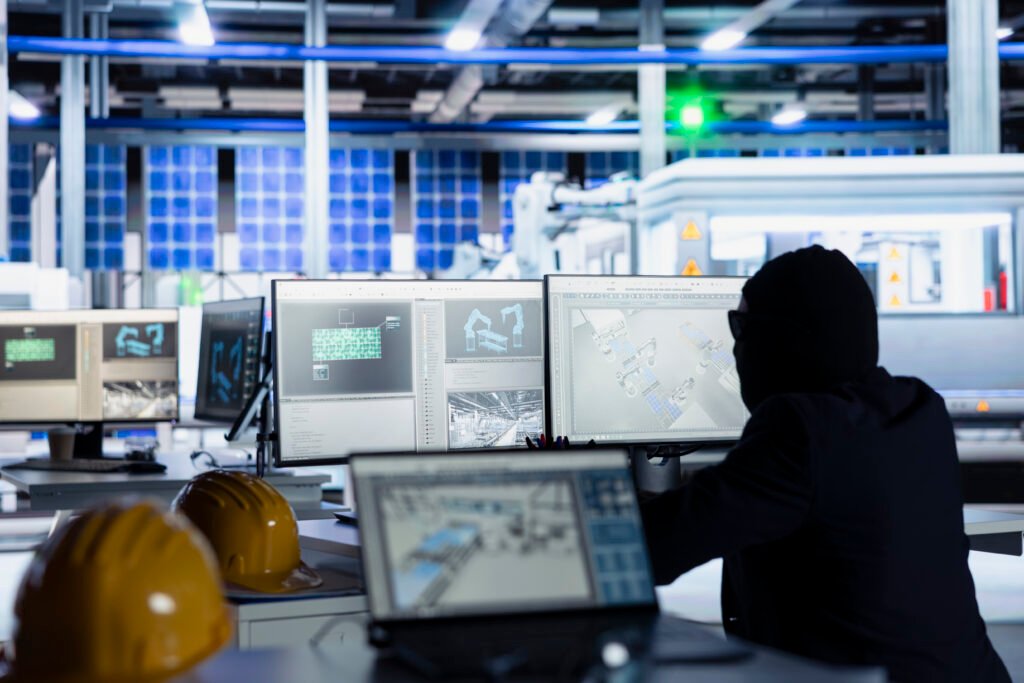
Why CCTV Alone Is Not Enough for Industrial Properties
CCTV is important, but cameras only provide visibility. If someone crosses a boundary, breaks into a storage area, or enters a restricted zone, the system also needs alarms, sensors, access control, and response planning. Cameras are more powerful when connected with other security tools.
For example, electric fencing can stop or discourage entry at the boundary. Motion sensors can detect movement in sensitive areas. Access control can limit who enters offices, inventory rooms, or server spaces. Alarms can alert guards or owners immediately. Together, these systems create stronger protection.
Professional Planning Makes a Difference
Industrial security cannot be copied from another site. Every property has a different layout, risk level, operating schedule, and budget. A professional installer studies the site before recommending equipment. This helps reduce blind spots and prevents poor camera placement.
EyeOn360 can naturally support businesses that need CCTV, electric fencing, alarms, sensors, and remote monitoring for industrial and commercial sites. A properly planned system helps owners control risk and improve site safety.
Final Thoughts
Industrial properties need smart, layered security. A single camera or guard may not be enough to protect warehouses, factories, and commercial sites. The better approach is to combine cameras, fencing, sensors, alarms, access control, and monitoring into one planned system. Strong security protects assets, people, operations, and long-term business confidence.